Cheap rubbish collection King Street Hammersmith hidden fees
Posted on 06/06/2026
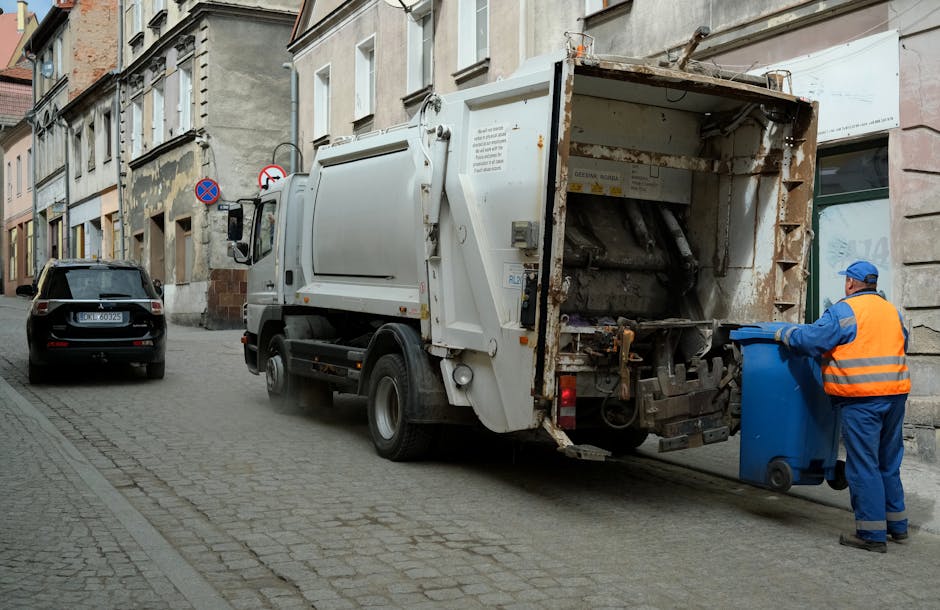
Cheap rubbish collection King Street Hammersmith hidden fees: how to avoid surprise charges and get real value
If you are comparing cheap rubbish collection in King Street, Hammersmith, the headline price can look very tempting. Then the small print creeps in: labour charges, stair fees, congestion extras, garden waste add-ons, or a minimum load you did not realise you were paying for. That is usually where hidden fees turn a "good deal" into an annoying one. This guide breaks down how cheap rubbish collection should work, what to check before you book, and how to spot a fair quote from a slippery one. Truth be told, most people just want the mess gone without being stung at the kerb.
Whether you are clearing a flat near King Street, emptying an office, or dealing with a last-minute house move in Hammersmith, the same principle applies: cheap is only cheap if the final invoice stays close to the original quote. Let's get into the details and keep it practical.
Why Cheap rubbish collection King Street Hammersmith hidden fees Matters
Hidden fees matter because rubbish removal is one of those services where the job can look simple from the outside and become messy very quickly. A pile of rubbish is rarely just a pile of rubbish. It may be mixed waste, awkward furniture, bagged household junk, builder's offcuts, or broken items that need sorting before they can be loaded. If the quote is vague, the final bill can climb fast.
That is especially relevant in King Street and the wider Hammersmith area, where access can be tight, parking can be a pain, and buildings are not always designed with easy collection in mind. A van may not be able to park right outside. There may be stairs, shared entrances, loading restrictions, or limited waiting time. Any service that ignores those realities may look cheap on paper but expensive in practice.
People often search for the lowest price first. Fair enough. But the smarter question is: what exactly is included in the price? If you know that upfront, you can compare quotes properly and avoid the classic "oh, that'll be extra" moment.
Expert summary: the best rubbish collection quote is not the lowest headline number; it is the one that clearly explains labour, access, loading, disposal, and any special items before anyone arrives.
This matters for households, landlords, tenants, shops, offices, and tradespeople alike. Nobody enjoys a surprise surcharge after a stressful clear-out. And nobody wants a half-finished job because the driver ran out of time, either.
How Cheap rubbish collection King Street Hammersmith hidden fees Works
Cheap rubbish collection usually works in one of a few ways. The provider may quote by load size, by item, by weight, or by estimated time on site. In practice, the final cost depends on what is collected, how easy it is to remove, and what disposal route is needed. That is where hidden fees can slip in if the quote is not detailed enough.
Here is the basic flow most customers experience:
- You describe the waste, either by message, photo, or a quick call.
- The company gives a quote based on volume, item type, and access.
- The crew arrives and confirms the load before starting.
- The waste is removed, loaded, and taken for sorting or disposal.
- You are charged according to the agreed pricing structure, ideally with no nasty surprises.
Where it goes wrong is when the initial quote assumes easy access, standard items, or a certain volume, but the site reality is different. A sofa down three flights of stairs is not the same as a sofa on the front drive. A small mixed load of household junk is not the same as plasterboard, fridges, or DIY rubble. Cheap is fine. Unclear is the problem.
Some providers include everything in one upfront price, while others add charges for:
- stairs or no lift access
- long carries from property to vehicle
- parking or congestion-related delays
- heavy or awkward items
- special disposal categories
- same-day or out-of-hours collection
- minimum load thresholds
If you are comparing quotes, ask for the basis of the price in plain English. Not marketing language. Not jargon. Just plain English.
A quick reality check
A quote that is slightly higher but fully transparent is often better value than a bargain price that turns into extras. That sounds obvious, but in a rush people miss it. We see it all the time: someone tries to save a few pounds and ends up paying more because the job was priced too loosely at the start.
Key Benefits and Practical Advantages
When cheap rubbish collection is done properly, there are some very real benefits beyond price alone. The biggest one is certainty. You know what is being collected, when it is happening, and what you are likely to pay.
- Budget control: a clear quote helps you avoid unexpected add-ons.
- Speed: fast removal is useful when you are moving, renovating, or clearing space for work.
- Less stress: no need to hire a van, recruit friends, or make several trips yourself.
- Better planning: you can compare services on a like-for-like basis.
- Cleaner results: a professional crew should leave the area tidier than a DIY run to the tip would.
There is also a practical benefit that people overlook: time. If you are in a busy part of Hammersmith, dragging rubbish around can easily eat up half a day. By the time you have found parking, loaded awkward items, and made multiple runs, you have used up your Saturday. Not ideal.
Another plus is predictability for landlords and businesses. If you manage multiple properties or a shopfront on King Street, you need waste removal that does not create admin headaches. A transparent collection service makes it easier to account for costs and keep tenants, staff, or contractors informed.
Useful insight: a genuinely low-cost service is usually one that reduces friction, not just the sticker price. The best providers make the process simple and boring, which is exactly what you want from rubbish collection.
Who This Is For and When It Makes Sense
This kind of service suits a wide mix of people. If your rubbish is too much for the normal household bin, too awkward for a car boot, or too time-consuming to handle yourself, it probably makes sense to get help.
- Homeowners: after loft clear-outs, garage clears, garden projects, or small refurbishments.
- Tenants: especially at the end of a tenancy when you need to leave a property presentable.
- Landlords and letting agents: for post-tenancy waste, bulky items, and quick turnarounds.
- Small businesses: for office clutter, packaging waste, old furniture, and stock-room clearances.
- Tradespeople: for DIY or light construction waste that should not linger on site.
It makes sense when the waste is more than your bins can handle but less than you would need a full skip for. It also makes sense when access is awkward. Hammersmith streets and mixed-use buildings can make DIY disposal a faff, to be honest, especially if you are carrying heavy items down a narrow stairwell while trying not to dent the walls.
On the other hand, if you have large volumes of heavy rubble or a long-running renovation, a different waste solution may be better value. That is where the right advice matters more than the cheapest headline number.
Step-by-Step Guidance
Here is a simple way to avoid hidden fees and book rubbish collection with more confidence.
1. Identify exactly what you need removed
List the items one by one. Be specific. "General rubbish" is too vague. Write down sofas, mattresses, black bags, wardrobes, office chairs, broken appliances, or builder's waste. Mixed loads are fine, but the provider needs to know what they are dealing with.
2. Check access before asking for a quote
Think about stairs, narrow hallways, parking restrictions, and whether the collection point is a long walk from the vehicle. If there is no lift, say so. If the waste is in a basement or attic, say that too. These details affect labour time and price.
3. Ask what is included in the advertised price
Do not just ask, "How much is it?" Ask what the price covers: labour, loading, disposal, VAT if applicable, congestion or parking issues, and any item-specific fees. A real quote should read like a service, not a riddle.
4. Request photo-based confirmation if possible
Photos reduce misunderstandings. A few clear images can show volume, item type, and access conditions. That helps the provider give a firmer quote and helps you spot if the price changes later for no good reason.
5. Clarify the pricing method
Some providers charge by van load, some by weight, some by item. None is automatically better. What matters is whether the method is clearly explained and suitable for your load. If the quote depends on "an average load," ask what that means in real terms.
6. Confirm any restrictions
Certain items can carry extra handling or disposal requirements. These may include fridges, mattresses, paint, tyres, fluorescent tubes, or electrical items. Ask about them before the crew arrives, not after. That way, there is no awkward back-and-forth at the kerb.
7. Get the final price in writing
A written estimate or confirmation message is your best friend here. It does not need to be fancy. It just needs to spell out the scope, the price basis, and any exceptions.
8. Review the invoice before paying
Once the waste is removed, check that the bill matches the agreed terms. If something changed on site, the provider should explain why. A transparent company will not mind that conversation.
Expert Tips for Better Results
Small choices make a big difference with rubbish collection. Here are the tips that tend to save money and frustration.
- Group items together: a tidy, accessible pile is easier to assess and faster to remove.
- Separate reusable items: if a few pieces can be donated, sold, or repurposed, you may reduce the load and the cost.
- Be honest about the weight: rubble, soil, and wet waste can be much heavier than they look.
- Tell the provider about awkward access: especially if there are multiple flights of stairs or a long carry.
- Time it carefully: if you can avoid peak moving days or tight time windows, you may get a smoother service.
One simple habit helps a lot: take a quick walk around the waste before the collection day and ask yourself, "Could I explain this to someone on the phone in one minute?" If not, the quote may not be detailed enough yet.
It also helps to keep back any items you are not sure about. Mix-ups happen when one person thinks something is rubbish and the other thinks it is being kept. Classic household chaos, really.
What a good provider usually does
A reliable collection team will ask sensible questions, give you a clear price basis, and explain any exclusions before arrival. They should not rush the estimate, and they should not hide behind vague "from" prices that turn into a moving target once they arrive.
If you are comparing services alongside other local clearance support, it can help to look at related pages such as rubbish collection services and house clearance options to understand which type of service best fits the job.
Common Mistakes to Avoid
Most hidden-fee problems are avoidable. They usually come down to one of a few common mistakes.
- Choosing only on the headline price: the cheapest quote is not always the best value.
- Not mentioning access issues: stairs, distance, or parking can change the cost.
- Forgetting about special items: appliances or heavy waste often need different handling.
- Assuming "all waste" means all waste: some quotes exclude certain materials.
- Failing to ask about minimum charges: a small load can still carry a base fee.
- Not getting confirmation in writing: verbal quotes are easy to misunderstand.
A subtle one is the mixed-load issue. If your pile includes both ordinary household rubbish and heavier materials, some companies will reprice the job on arrival. That is not automatically unfair, but it should be explained beforehand. If it is not, that is a red flag.
Another mistake? Waiting until the last minute and then booking the first company that answers the phone. We have all been there. But pressure makes people accept weak terms they would normally question.
Tools, Resources and Recommendations
You do not need a complicated toolkit to organise rubbish collection properly. A few simple tools and habits can make the whole thing clearer.
- Phone camera: take clear photos of the waste and access route.
- Notes app or checklist: record item types, quantities, and special concerns.
- Measuring tape: useful if you need to estimate bulky items or room clearance.
- Bin bags or labels: helpful for sorting general waste from items you want to keep.
- Front-door or stairwell photos: useful if access is likely to affect the quote.
If you are preparing for a clear-out, it can also help to read more general guidance around local home and clearance support so you can match the service type to the task instead of overpaying for the wrong one.
Recommended approach: gather photos, write a short list, ask for an all-in quote, and confirm exclusions before the collection date. That sequence alone prevents a lot of the common misunderstandings.
Law, Compliance, Standards, or Best Practice
Waste removal is not just a pricing issue. In the UK, waste should be handled responsibly, and a customer should be careful about who they allow to take it away. You do not need to become a compliance expert, but a few good habits matter.
First, ask whether the provider is authorised to carry waste and how they handle disposal. A trustworthy company should be able to explain this without sounding cagey. Second, avoid handing waste to anyone who seems reluctant to describe where it goes or how it is processed. If the answer is vague, that is not a great sign.
Third, keep an eye on the type of waste being removed. Certain items may need separate handling or may not be accepted in a standard mixed load. This is where transparency protects both sides. It keeps the job safe, legal, and properly priced.
Best practice is simple: describe the waste honestly, agree the price clearly, and keep a record of the booking confirmation or invoice. If anything ever needs checking later, that paper trail saves time.
For businesses and landlords, proper documentation is even more useful. It helps show that waste was dealt with through a sensible, traceable process. No drama. Just good housekeeping.
Options, Methods, or Comparison Table
If you are trying to decide between rubbish collection, self-haul, or another clearance method, this quick comparison may help.
| Option | Best for | Pros | Watch out for |
|---|---|---|---|
| Man and van rubbish collection | Mixed household waste, bulky items, quick clear-outs | Fast, flexible, less effort for you | Hidden fees if access or item type is not clear |
| Self-haul to disposal point | Small loads and people with time and transport | Potentially lower cash cost | Parking, lifting, fuel, time, and multiple trips |
| Skip hire | Ongoing projects or large volumes of waste | Good for staged clear-outs | Permit, space, and loading limitations |
| Specialist clearance | Estate clearances, sensitive or larger jobs | More structured and thorough | Can cost more if the job is simple |
For many people in King Street and Hammersmith, man-and-van collection is the sweet spot. It is quick and practical, especially when space is tight. But if your waste is mainly heavy rubble, a different method may be better value. The right answer depends on volume, type, and access, not just price.
Case Study or Real-World Example
Imagine a tenant moving out of a flat near King Street after a long week of packing. There is a broken bedside table, two mattresses, three bags of mixed rubbish, and an old desk chair. On paper, that sounds like a fairly small job.
The first quote is cheap. Very cheap. But it only covers collection from ground floor access and excludes stairs, so the real property climb turns into a surcharge. Then there is a separate fee for the mattresses. Then another adjustment because the load takes longer to sort than expected. Suddenly the "cheap" service is not cheap at all.
Now compare that with a provider who asks for photos, confirms the flat is up two flights of stairs, explains mattress handling, and gives a firm all-in price before arrival. That second service might not have the lowest headline number, but it is the one that finishes on time, keeps the invoice predictable, and removes a lot of stress. You can almost hear the relief when the last item goes out and the hallway is clear again.
That is the core lesson: transparent pricing beats vague low pricing nearly every time.
Practical Checklist
Use this checklist before you book. It takes a few minutes and can save you a lot of hassle.
- Have I listed every item that needs removing?
- Have I included photos or a clear description?
- Did I explain stairs, lifts, or long walking distance?
- Did I ask whether the quote includes labour and disposal?
- Did I confirm whether special items cost extra?
- Did I ask about parking, access, or timing issues?
- Did I request the price in writing?
- Do I understand what happens if the load changes on arrival?
- Am I comparing like-for-like quotes?
- Have I kept a copy of the booking confirmation?
If you can tick most of those off, you are in a much stronger position. And honestly, that is half the battle. The other half is choosing a provider who answers questions directly.
Get a free quote today and see how much you can save.
Conclusion
Cheap rubbish collection in King Street, Hammersmith can be excellent value, but only when the pricing is honest and the scope is clear. Hidden fees usually appear when a quote is too vague, access is not discussed, or special items are left out of the conversation. None of that is glamorous, but it is where most people either save money or lose it.
If you take one thing from this guide, let it be this: ask better questions before booking. A few minutes spent confirming the details can prevent the kind of invoice that makes you mutter at the kitchen table. Not worth it.
With the right preparation, you can get fast, tidy, local rubbish removal without feeling boxed into surprise charges. And that, in a busy part of London, is a very decent outcome.