Garden waste removal Fulham Palace Road Hammersmith 2026
Posted on 23/10/2026
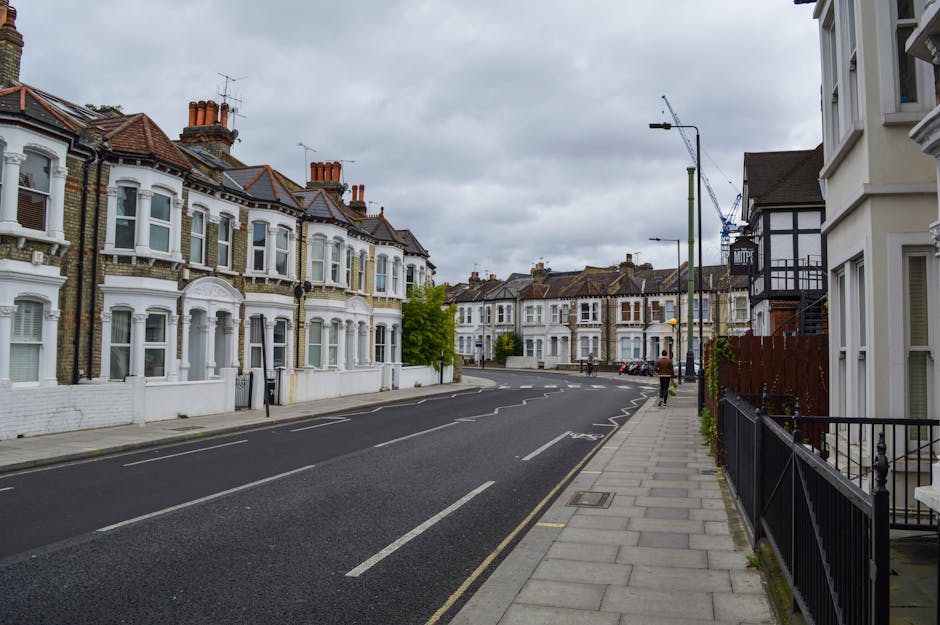
If your garden has got ahead of you a bit, you are not alone. In a busy part of west London, even a small outdoor space can produce more green waste than you expect: hedge clippings, branches, old soil, potting bags, ivy, and that one awkward pile of leaves that seems to grow every week. This guide to Garden waste removal Fulham Palace Road Hammersmith 2026 explains how the process works, what to look for in a reliable service, and how to keep the whole job tidy, legal, and stress-free.
Whether you are clearing a courtyard, sorting out a front garden, or dealing with a bigger seasonal cutback, the details matter. Access can be tight around Fulham Palace Road, parking can be tricky, and the right approach saves both time and hassle. Let's break it down properly.
Practical takeaway: Garden waste removal is most efficient when you sort green waste from general rubbish, prepare access in advance, and choose a service that handles loading, transport, and lawful disposal without fuss.
- Why garden waste removal matters
- How the service works
- Key benefits and practical advantages
- Who it is for
- Step-by-step guidance
- Expert tips for better results
- Common mistakes to avoid
- Tools, resources and recommendations
- Law, compliance, standards, or best practice
- Options, methods, or comparison table
- Case study or real-world example
- Practical checklist
- Conclusion
- Frequently asked questions
Why Garden waste removal Fulham Palace Road Hammersmith 2026 Matters
Garden waste seems harmless at first glance. It is just grass, leaves, branches, and soil, right? But once it starts piling up, it can become awkward fast. A few bags become a heap. A heap becomes a blocked path. Before long, the garden looks untidy and harder to use, and damp waste can start to smell or attract pests.
On a practical level, proper garden waste removal also helps protect shared spaces. In Hammersmith, where many homes sit close together, garden debris can spill into pavements, alleyways, or communal access routes if it is not handled quickly. That is not only messy; it can create a nuisance for neighbours too.
For people on Fulham Palace Road, there is another layer to think about: access. Cars, vans, bins, and deliveries already compete for space. A service that understands local streets can make a big difference. You want the waste gone without turning the day into a slow-moving puzzle.
There is also a sustainability angle. Garden waste is often suitable for composting or other forms of green processing when it is collected correctly. Mixed in with general rubbish, it becomes harder to recover and reuse. That is why sorting matters. It sounds obvious, but in the rush, it is easy to toss everything into one pile and hope for the best. Truth be told, that usually costs more and creates more work.
And yes, if you have ever stood in the drizzle with a pile of thorny cuttings and a bag that split open at the bottom, you already know why this service exists.
How Garden waste removal Fulham Palace Road Hammersmith 2026 Works
Most garden waste clearance jobs follow a fairly simple pattern, though the details vary by property and volume. The best services keep it clear and practical from the start.
1. You describe the waste
You start by explaining what needs removing: branches, hedge trimmings, turf, soil, leaves, bags of weeds, old plant pots, or a full garden tidy-up after landscaping. Good providers will want to know whether the waste is loose, bagged, or stacked, and whether there is anything mixed in that should be handled separately.
2. Access is checked
Access matters more than people sometimes realise. Can a team get the waste from the garden to the van without damaging fencing, walls, or narrow paths? Is there rear access, side access, or only front-door loading? On a road like Fulham Palace Road, that information helps avoid delays. A quick photo can often solve half the problem before anyone arrives.
3. A quote is provided
Many services price garden waste removal by load size, volume, labour, or a combination of those factors. Heavier material such as soil or turf may be treated differently from light green waste because it takes up less space but weighs more. Mixed waste can also change the estimate. If a quote looks unusually vague, ask what is included. You are looking for clarity, not a mystery.
4. Collection and loading
On the day, the team collects, loads, and clears the waste. For larger jobs, they may sort materials into separate waste streams. That makes disposal easier and more responsible. For smaller clearances, the whole job may only take a short visit. A neat team leaves the garden path swept and usable, which sounds small but feels very good at the end of a long day.
5. Transport and disposal
The final step is lawful transport to an approved facility or transfer station. This is where proper handling really matters. A reputable service should be set up to move waste responsibly rather than dumping it somewhere unsuitable. If you are arranging a clearance, it is reasonable to ask how the waste will be dealt with. No need to be awkward. It is your garden, after all.
Key Benefits and Practical Advantages
Garden waste removal does more than save you a trip to the tip. It changes how quickly a space becomes usable again, and in London that matters a lot. Space is precious. Time is too.
- Faster turnaround: Instead of making several trips with bags and branches, a single collection can clear the lot in one go.
- Better presentation: A clear garden instantly looks more cared for. That can matter if you are renting, selling, or simply trying to enjoy the space again.
- Less physical strain: Heavy sacks, awkward branches, and damp soil are not kind to backs or cars.
- Cleaner disposal: Green waste handled properly is easier to recycle or process responsibly.
- Reduced clutter: Garden waste often spreads into sheds, side passages, and patios if it is left too long.
- More usable outdoor space: Once the waste is gone, you can actually see the garden again. Funny how that works.
There is a quieter benefit too: peace of mind. You are not left wondering when you will find the time to deal with the mess. That background stress disappears. For a lot of people, that is the real win.
Who This Is For and When It Makes Sense
This kind of service suits a wide range of people. It is not just for big garden projects or dramatic overgrowth. In fact, many of the most common jobs are ordinary, practical ones.
- Homeowners doing a seasonal tidy-up after pruning, mowing, or cutting back shrubs.
- Landlords and letting agents preparing a property between tenancies.
- Tenants who have taken responsibility for a neglected outdoor area and want to leave it decent.
- Gardeners and landscapers who need waste removed quickly after a job.
- Busy families who simply do not have the time, vehicle space, or muscle power for repeated trips.
- Older residents who would rather not lift heavy bags or wrestle thorny cuttings, quite understandably.
It also makes sense when the waste is mixed, awkward, or too bulky for ordinary bin collection. Think branches thicker than your wrist, bags of soil that weigh far more than they look, or an after-renovation garden pile that has somehow become a minor hill. To be fair, gardens have a talent for generating volume out of nowhere.
If you are unsure whether you need a full clearance or just a quick removal, ask yourself a simple question: Can I move this safely and dispose of it properly without spending an entire weekend on it? If the answer is no, a professional service starts to look pretty sensible.
Step-by-Step Guidance
If you want the smoothest possible experience, a bit of preparation goes a long way. Here is the straightforward version.
Step 1: Separate the waste
Put green waste together and keep general rubbish separate where possible. Leaves, grass, clippings, and branches are one category. Broken pots, old hose pipes, metal plant supports, and plastic packaging are another. Sorting beforehand helps the team work faster and helps avoid extra charges where mixed waste changes the handling method.
Step 2: Check what needs special treatment
Soil, turf, stones, and very heavy root balls can affect pricing and loading time. Some jobs also include old fencing or dismantled garden furniture. That does not mean the job is difficult, just that it needs to be described accurately. Better to mention the awkward bits now than surprise everyone later.
Step 3: Clear access routes
Move bikes, bins, plant stands, or loose furniture out of the way. If the team has to step over everything, the job slows down. A clear path from the garden to the van makes the process smoother and safer.
Step 4: Think about parking and timing
In parts of Hammersmith, parking can be tight at busy times. Morning collections are often easier if you want to avoid traffic and reduce disruption. If your road has restrictions or narrow access, mention that early. Small detail, big difference.
Step 5: Confirm what is included
Ask whether labour, loading, transport, and disposal are all included in the quote. Ask about extra charges too, especially for heavier waste or difficult access. A clear explanation at the start prevents awkwardness later on.
Step 6: Do a final sweep
Once the waste is loaded, check the area for stray twigs, screws, broken pot shards, or forgotten plant ties. It takes five minutes and makes the space feel finished. Oddly satisfying, actually.
Expert Tips for Better Results
These are the small things that make the job easier and the result better. None of them are glamorous. All of them help.
- Bag light waste loosely, not too tightly. Overstuffed bags split more easily and become awkward to lift.
- Keep wet material separate if possible. Damp grass and leaves are heavier than they look.
- Stack branches in one direction. That makes them quicker to carry and load.
- Tell the team about hidden waste. Old sleepers, buried rubble, and surprise concrete edges can change the job.
- Book earlier in the week if you can. It often makes scheduling easier, especially after a weekend gardening push.
- Use clear photos for quotes. A few good pictures from different angles usually help more than a long message.
One practical observation: most delays happen not because the waste is huge, but because the access was not described properly. A narrow gate, a flight of steps, or a locked side passage can turn a quick job into a slow one. That is the kind of thing you only forget once.
And if you are clearing after a storm, expect a bit more mess than usual. Wet leaves stick to paving, branches tangle together, and everything feels heavier. Not dramatic. Just messy in that very London way.
Common Mistakes to Avoid
Garden waste removal looks simple until one of these mistakes sneaks in. A few are minor. Some are expensive.
- Mixing green waste with general rubbish. This can make disposal more complicated and may raise the cost.
- Underestimating the volume. A small pile can multiply once bags are opened and branches are cut down.
- Forgetting about weight. Soil, turf, and wet cuttings are heavier than they appear.
- Not clearing access first. A blocked path slows everything down.
- Assuming all waste is treated the same. Some materials need different handling.
- Leaving sharp or hidden items in the pile. Broken tools, wire, and glass can cause injuries.
- Choosing a service without asking about disposal. You want proper handling, not guesswork.
A surprisingly common issue is the "I'll sort it later" pile. You know the one. It sits in the corner of the garden for weeks because it looks manageable. Then rain gets involved, and it becomes a soggy, stubborn bundle that nobody wants to touch. Best not to let it get there.
Tools, Resources and Recommendations
You do not need specialist equipment to prepare for garden waste removal, but a few basic tools help a lot.
| Tool or item | Why it helps | Best use |
|---|---|---|
| Heavy-duty garden sacks | Stronger than ordinary bags and less likely to split | Leaves, clippings, light weeds |
| Rake | Quickly gathers loose debris | Lawns, patios, borders |
| Pruners or loppers | Cut branches into manageable lengths | Hedges, shrubs, thin branches |
| Wheelbarrow | Reduces carrying trips | Bulk movement within the garden |
| Tarpaulin | Makes loading and dragging easier | Branch piles, mixed cuttings |
| Gloves | Protects hands from thorns and splinters | General clearance work |
For services, the most useful "resource" is often plain communication. Share photos, describe the waste honestly, and say if there are access issues. That saves everyone time. If your garden backs onto a shared alley or has a side return, mention it clearly from the start.
You may also find it helpful to look at related services if the job is not purely green waste. For example, garden waste removal in Hammersmith is useful when the job is mainly organic material, while general waste disposal options are better if the pile includes mixed items. If you are clearing more than just the garden, broader waste clearance can be the cleaner fit.

Law, Compliance, Standards, or Best Practice
When garden waste is collected, the important thing is that it is handled by a lawful and responsible waste carrier. In the UK, waste should not just disappear into the back of a van with no clear destination. That may sound obvious, but it is worth saying plainly because the cheap option is not always the safe one.
Good practice includes separating garden waste where possible, transporting it securely, and sending it to an appropriate facility. Providers should also be able to explain how they work and, where relevant, how they remain compliant with waste handling expectations. If a company is transparent about its process, that is usually a good sign.
For customers, the main best-practice points are simple:
- Use a provider that can explain how waste is removed and disposed of.
- Do not mix hazardous items with garden waste.
- Be honest about the type and amount of waste.
- Keep documentation or written confirmation where it is offered.
If you are comparing services, a page like waste carrier licence and compliance can be a useful reference point. For pricing clarity, pricing and quotes is also worth checking if you want to understand how jobs are usually estimated.
Best practice is not about making the process formal for the sake of it. It is about avoiding fly-tipping, unclear handling, and that uneasy feeling that your waste has gone somewhere it should not have gone. Simple as that.
Options, Methods, or Comparison Table
There is more than one way to get rid of garden waste. The right option depends on volume, urgency, access, and whether you want to do any of the lifting yourself.
| Method | Best for | Pros | Trade-offs |
|---|---|---|---|
| DIY trips to a disposal site | Small amounts, flexible schedules | Can be cost-conscious if you already have transport | Time-consuming, physically demanding, multiple trips |
| Scheduled collection service | Regular garden maintenance waste | Convenient and predictable | May require advance booking |
| One-off clearance visit | Large seasonal clear-outs or overgrown gardens | Fast, comprehensive, minimal effort from you | Usually the most expensive option if the job is small |
| Mixed clearance with other rubbish | Garden waste plus broken items or unwanted clutter | Efficient if you have more than just green waste | Can cost more if materials need separating |
For many homes near Fulham Palace Road, a one-off clearance is the best fit after a long gap between garden jobs. For regular tidying, lighter scheduled collections can make more sense. It really comes down to whether you are clearing once or maintaining over time.
If your garden clearance is tied to a bigger job, you may also want to review builders waste disposal or house clearance services if the work spills beyond the outdoor space. And if you are just trying to understand what a provider can handle overall, the services overview gives a broader picture.
Case Study or Real-World Example
Here is a realistic kind of job that comes up often. A terraced property off Fulham Palace Road has a back garden that has been left for most of the season. There are hedge trimmings, a few bags of leaves, some long ivy strands, and a patch of soil from a small border refresh. Nothing dramatic, but enough to make the patio unusable.
The homeowner sends a couple of photos in daylight, mentions that the side access is narrow, and points out that the waste is already bagged except for the branches. That one bit of detail saves time immediately. On the day, the team arrives ready to carry material through the side passage, loads the waste in manageable stages, and leaves the path swept and clear.
The main lesson? The job goes smoothly because the information was accurate. No guessing, no surprises, no last-minute scramble to move bins or garden furniture. The whole thing feels calm. Boring, maybe. But boring is excellent when you want a clean garden.
Another useful lesson is that mixed waste should be mentioned early. A few plastic planters or an old broken seat tucked in beside green waste may seem insignificant, but they can affect how the load is handled. Mentioning it upfront keeps the quote fair and the collection efficient.
Practical Checklist
Use this before your collection or clearance day. It keeps things simple.
- Separate green waste from general rubbish
- Remove anything sharp, hazardous, or unexpected from the pile
- Measure or estimate the size of the waste area
- Take clear photos if you are requesting a quote
- Check access routes from the garden to the collection point
- Move bins, bikes, and loose furniture out of the way
- Confirm whether soil, turf, or heavy branches are included
- Ask about loading, transport, and disposal in the quote
- Choose a collection time that suits parking and access
- Do a final sweep once the waste is gone
Quick reminder: if your waste pile includes more than just garden clippings, say so early. That one detail can save a lot of back-and-forth.
Conclusion
Garden waste removal on Fulham Palace Road in Hammersmith is at its best when it is simple, clear, and well planned. You do not need a complicated process. You need the right information, a fair quote, and a service that understands local access, disposal expectations, and the practical realities of working in London.
Whether you are dealing with a small seasonal tidy-up or a bigger overgrown clearance, the goal is the same: get the waste gone without disrupting your day more than necessary. A tidy garden is not just nicer to look at. It feels easier to live with. More breathable, somehow.
Get a free quote today and see how much you can save.
And once the last bag has gone and the patio is visible again, you will notice how much calmer the space feels. Sometimes that is enough to make the whole effort worthwhile.