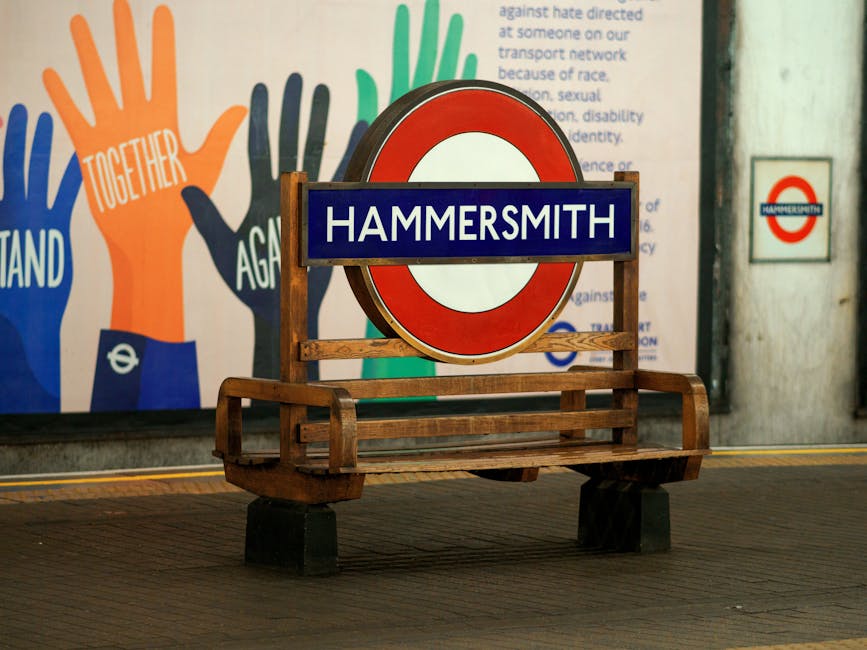
Hammersmith office rubbish removal King Street Broadway
Posted on 20/08/2026
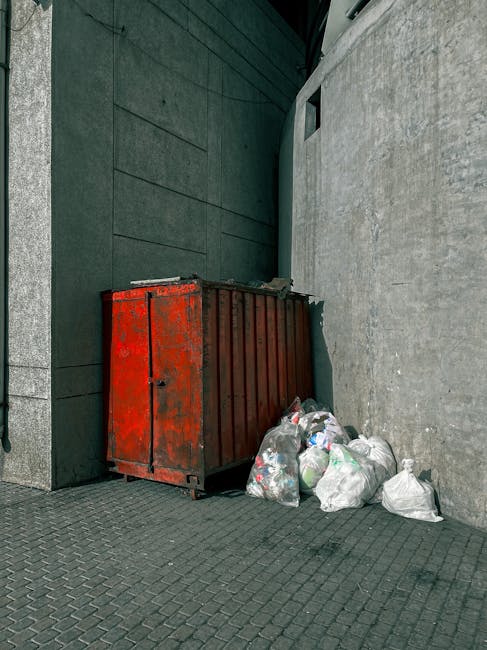
Hammersmith office rubbish removal King Street Broadway: a practical guide for busy workplaces
If you run an office near King Street or Broadway in Hammersmith, rubbish has a habit of appearing quietly and then all at once. Old desks in a meeting room, broken monitors, packaging from a fit-out, bags of shredded paperwork, a mystery pile in the storeroom. Before long, the space feels cramped, untidy, and a bit harder to work in. That is where Hammersmith office rubbish removal King Street Broadway comes in: a fast, organised way to clear unwanted office waste without turning the day into a logistical headache.
This guide explains how office clearance works in the area, what to watch out for, and how to choose a method that suits a London workplace. You will also find a checklist, a comparison table, and a few practical tips that make the whole thing feel much less annoying. Because, let's face it, nobody starts the day excited about disposing of office rubbish.
Why Hammersmith office rubbish removal King Street Broadway Matters
Office waste is not just a tidiness issue. In a busy commercial area like King Street and Broadway, it affects how a workplace looks, how safely people move around it, and how quickly you can get back to normal after a clear-out. A cluttered office can slow staff down, make cleaning harder, and create awkward little hazards that nobody really wants to trip over at 8:45 on a Monday morning.
It also matters because office rubbish is rarely one simple thing. You might have general waste, cardboard, old furniture, confidential paper, broken IT equipment, or items that need special handling. A proper clearance plan helps separate those streams rather than dumping everything into one pile and hoping for the best. That approach may feel quicker in the moment, but it often creates extra cost and extra stress later.
For businesses around Hammersmith, local access is another factor. Streets near King Street Broadway can be busy, parking can be awkward, and timing matters. A clearance service that understands local access constraints can save a surprising amount of back-and-forth. If you have ever watched a team carry a bulky filing cabinet down a narrow stairwell while traffic builds outside, you will know the point. Small details matter.
Expert summary: The best office rubbish removal is the kind that clears space, keeps staff safe, respects waste rules, and avoids disrupting the working day more than necessary.
How Hammersmith office rubbish removal King Street Broadway Works
In practical terms, office rubbish removal usually follows a simple pattern: assess, quote, collect, sort, and dispose. The details vary depending on how much waste you have and how urgent the job is, but the process should feel orderly rather than improvised.
Most office clearances begin with a walk-through or a description of the items you need removed. For example, a small team might need old chairs, a printer, several boxes of archive material, and a few broken shelves taken away. A larger office may need a staged clearance around a refurbishment or relocation. In either case, the provider should confirm access, load size, and any items that need separate handling. If they skip that bit, that is usually a warning sign.
After that comes the collection itself. Depending on the setup, the team may remove rubbish from a reception, office floor, basement store, or loading area. Good operators work efficiently, but they still need to sort materials sensibly. That often means separating recyclable items from mixed waste, and ensuring anything hazardous, electrical, or confidential is handled properly. You may also want to pair office clearance with office clearance in Hammersmith if the job includes desks, chairs, storage units, or general workplace strip-out items.
For many businesses, speed is part of the appeal. Same-day or next-day collection can be useful when an office is moving, a landlord inspection is due, or a room needs to be reopened quickly. If timing is tight, you may want to read about same-day waste removal rates and real cost guidance before making a decision.
Key Benefits and Practical Advantages
Office rubbish removal has obvious benefits, but the practical ones are often the most valuable. A clean, cleared office feels easier to work in. People move around more freely. The place looks more professional. And you stop paying for space that is being used as a temporary dumping ground. That last one stings a little, but it is true.
- Better use of office space: cleared rooms can be used for staff, meetings, stock, or equipment.
- Improved safety: fewer trip hazards, fewer blocked walkways, and less risk around stairs or fire exits.
- Faster relocations and refurbishments: clearance can keep projects on schedule.
- Less stress for staff: no one needs to spend their day figuring out what goes where.
- More responsible disposal: items can be sorted, recycled, or treated separately where needed.
There is also a client-facing benefit. If you welcome visitors, suppliers, or customers into your office, the state of the space matters more than people admit. A tidy reception or meeting room creates a better first impression than a corridor lined with old monitors and black bags. No drama, just reality.
For businesses that generate regular volumes of mixed rubbish, a structured service can work well alongside commercial waste removal in Hammersmith and broader waste disposal support. That way, you are not reinventing the process every month.
Who This Is For and When It Makes Sense
This kind of service is not just for large corporates. In fact, some of the most common office clearance jobs come from smaller organisations that have outgrown a room, changed layout, or simply let storage get out of hand over time. Very normal, very human.
It makes sense if you are:
- moving office and need a clean exit;
- refreshing furniture and removing old items;
- clearing a stockroom, archive room, or basement;
- removing packaging after a delivery or refurbishment;
- making space for a new team or workstation setup;
- disposing of bulky items that staff cannot safely move;
- dealing with accumulated rubbish after a busy period.
Some businesses in the King Street Broadway area also use clearance services during tenancy changes. Property handovers can be time-sensitive, and leftover rubbish can become awkward very quickly. If that sounds familiar, you may also find property transactions in Hammersmith useful because it highlights how small logistical problems can snowball near a completion date.
Office rubbish removal can also help retail-adjacent or hospitality-adjacent spaces where the back-of-house area has become overcrowded. Even a few stubborn items can make a work area feel much smaller than it is. You know the feeling: one broken table turns into a permanent resident.
Step-by-Step Guidance
If you want to keep the process smooth, the easiest approach is to break it down into manageable steps. It sounds obvious, but a calm sequence beats a rushed one every time.
- Identify what needs removing. Separate general waste, furniture, electricals, paper, and anything sensitive or hazardous.
- Measure the load realistically. Think in terms of bags, boxes, desks, cabinets, and how much access space is available.
- Check access and timing. Is there lift access? Loading restrictions? A narrow stairwell? A busy reception area?
- Ask for a clear quote. Make sure the quote explains what is included and whether labour, disposal, and extra handling are covered.
- Prepare the items. Empty drawers, bag loose waste, and keep confidential material separate.
- Arrange the collection window. Choose a time that causes the least disruption, often before opening or after peak office hours.
- Confirm disposal expectations. Ask what happens to recyclable items, furniture, and electrical waste.
- Check the site after collection. Make sure nothing was missed and the area is safe to use again.
A small but useful tip: if you are clearing multiple rooms, label each pile before the crew arrives. It saves time and prevents the classic "was this going out or staying?" shuffle. Not glamorous, but effective.
Expert Tips for Better Results
There are a few habits that make office rubbish removal much easier, especially in central Hammersmith where access and timing can be tight. Most of them are simple, but simple is often what works.
1. Photograph the waste before collection. A quick set of images helps confirm what needs removing and reduces misunderstandings. It also helps if you need to compare quotes.
2. Keep confidential paper separate. Do not bury sensitive files in mixed waste. Use a secure process for anything containing personal or commercial information.
3. Group items by type. Furniture, boxes, electronics, and general rubbish should not be mixed if you can avoid it. Sorting saves time and often improves recycling outcomes.
4. Clear corridors first. This makes access safer and easier. A collection crew can work much faster if the route is unobstructed.
5. Be honest about quantity. Underestimating the volume can lead to awkward delays. Overstating it can push the quote higher than necessary. Try for a fair middle ground.
6. Ask about fragile or awkward items early. Server racks, heavy cabinets, display stands, and old white goods need different handling. Better to say so upfront.
For mixed office waste, you can also look at rubbish collection in Hammersmith or broader service options if you need more than a one-off clearance. That gives you a better picture of what can be handled under one plan rather than several separate jobs.

Common Mistakes to Avoid
A lot of office waste jobs go wrong for ordinary reasons, not dramatic ones. Someone leaves booking too late. The items are not sorted. The quote looked cheap but did not include the full job. Little things, big headaches.
- Leaving the booking until the last minute: this can limit available time slots and increase disruption.
- Not checking access: a van may be booked, but if there is nowhere to stop, the plan gets messy fast.
- Mixing all waste together: recyclable and non-recyclable items should not be bundled blindly.
- Ignoring special waste: electronics, printers, batteries, and confidential paperwork often need extra care.
- Choosing a provider on price alone: the cheapest quote is not always the best value, especially if extras appear later.
- Forgetting building rules: some offices have loading instructions, concierge procedures, or time restrictions that matter.
There is a good article on hidden fees in King Street rubbish collection that is worth a look if you are comparing prices. It is always better to spot the catch before the invoice lands. Always.
If your office clear-out is happening alongside a refurbishment, another common mistake is underestimating construction debris. That is where builders waste disposal in Hammersmith becomes relevant, because office fit-outs generate a different sort of mess from everyday rubbish.
Tools, Resources and Recommendations
You do not need special software or fancy equipment to organise office rubbish removal, but a few practical tools make the job much smoother.
- Inventory list: a simple spreadsheet or even a paper checklist works well for counting items.
- Label sheets: use labels for "remove", "keep", "confidential", and "recycle" if the office is being sorted in stages.
- Phone photos: useful for quotes and for keeping a record of what was collected.
- Access notes: write down lift codes, delivery bays, floor numbers, and any time restrictions.
- Internal contact list: one point of contact reduces confusion on the day.
For businesses that care about responsibility and environmental impact, it is sensible to review recycling and sustainability guidance. Office waste is often more recyclable than people assume, especially cardboard, some metals, and certain furniture components.
If your clearance includes old chairs, desks, or reception furniture, it can also be useful to look at furniture removal in Hammersmith and furniture disposal options. Those pages are helpful when the office is shedding bulky items rather than just bags and boxes.
And if the clear-out is part of a larger transition, such as a downsizing or a move, you may also want to browse waste clearance in Hammersmith for a broader overview of what a full clearance can include.
Law, Compliance, Standards and Best Practice
Office rubbish removal should be handled with proper care for waste duty, safety, and any sensitive material involved. Without getting overly technical, the key point is this: waste should go to a legitimate carrier and be dealt with responsibly, not just shifted out of sight.
In the UK, businesses have a duty to ensure waste is managed properly. That usually means working with a registered waste carrier, keeping records where appropriate, and making sure special items are handled correctly. For office environments, best practice also includes separating confidential paper, disposing of electrical equipment carefully, and avoiding unsafe manual lifting.
This is also where a provider's waste carrier licence and compliance matters. If a business cannot demonstrate that it is operating properly, that is not a detail to ignore. It is one of those boring admin points that becomes very important when something goes wrong.
Safety should not be an afterthought either. Office spaces often involve tight corners, cables, stairs, and shared access with other tenants. A sensible service will work in a way that reduces risk to staff and building users. If you want a fuller sense of that side of the job, insurance and safety information is worth a read.
It is also smart to review terms and conditions before you book anything, and to understand how payment and security are handled. Small admin checks, yes, but they help prevent friction later. A neat invoice and clear scope go a long way.
Options, Methods, or Comparison Table
There are several ways to tackle office rubbish, and the best one depends on volume, timing, and how much sorting you want to do yourself.
| Method | Best for | Pros | Trade-offs |
|---|---|---|---|
| Ad hoc office clearance | One-off clear-outs, moves, or room resets | Fast, simple, flexible | Can be less efficient if used repeatedly |
| Scheduled rubbish collection | Regular waste generation | Predictable, easy to manage | May not suit bulky items |
| Full office clearance | Refits, vacates, large reorganisations | Comprehensive, time-saving | Needs more planning |
| Specialist item disposal | Furniture, appliances, electronics | Better handling of specific items | May require separate coordination |
If you are clearing an office that has turned into a mixture of old files, shelving, and miscellaneous storage, a full clearance is often the least frustrating route. If the issue is mostly boxes and daily waste, routine collection may be enough. And if you are unsure, a short call or site review usually clarifies the best path pretty quickly.
For some businesses, especially those handling mixed rubbish in a compact area, it is useful to compare with Hammersmith junk removal support to see whether a more general clearance approach is a better fit than a narrower office-only service.
Case Study or Real-World Example
Picture a small professional office near Broadway in Hammersmith. The team has just upgraded furniture, the archive cupboard is full of boxes nobody has opened in years, and the storage room has become a kind of accidental museum. Chairs are stacked against the wall. There is a dead printer that no one claims. One colleague keeps saying, "I'll sort that next week," which is usually how these things linger.
In a situation like that, the best approach is not to dump everything into a single bin bag and hope the problem disappears. Instead, the office could separate items into four groups: furniture, paper, electronics, and general waste. The team could then arrange a clearance window at a quiet time, such as late afternoon or just before opening. The removal crew would need clear access, a list of fragile items, and a sense of what should be recycled or handled separately.
The result is not just a cleaner room. It is a better workflow. Staff stop using the storage room as a back-up dumping ground. The office looks more organised during client visits. And the manager no longer has to sidestep a pile of cardboard every time they need the printer. Small victory, but a real one.
Practical Checklist
Use this before you book or on the day of collection. It keeps things tidy and cuts down on avoidable surprises.
- List everything to be removed.
- Separate furniture, paper, electronics, and general rubbish.
- Confirm access details, including lifts, stairs, loading points, and timings.
- Check whether any items need special handling.
- Keep confidential materials secure and separate.
- Take photos for your records and for the quote process.
- Ask what is included in the price.
- Confirm the collection window and expected duration.
- Make sure someone on-site can answer questions.
- Review the cleared area after the removal is complete.
If you need a broader view of planning and pricing, the page on pricing and quotes is a sensible place to start. It helps you think in terms of scope, not just the headline number. That matters more than many people realise.
Conclusion
Hammersmith office rubbish removal around King Street Broadway is really about keeping a workplace functional, safe, and ready for the next thing. Sometimes that means a quick same-day clearance. Sometimes it means a more considered office reset. Either way, the best results come from clear planning, honest communication, and a provider that understands local access and commercial waste needs.
To be fair, most office clear-outs are less about the rubbish itself and more about removing the friction it creates. Once the clutter goes, the room feels different. Calmer. More useful. Easier to work in. And that is the whole point, really.
Get a free quote today and see how much you can save.
If you are preparing a move, a refurbishment, or simply a much-needed clear-out, take it one step at a time. A little structure goes a long way, and once the space is clear, the relief is immediate.