Insider tips avoid common rubbish removal mistakes in Hammersmith
Posted on 16/06/2026
If you have ever stared at a hallway full of broken furniture, old boxes, or builder's debris and thought, "Right, where do I even start?", you are not alone. Rubbish removal looks simple on the surface, but in Hammersmith it is easy to make small mistakes that turn into extra costs, delays, missed collections, or avoidable stress. The good news? A few insider tips can make the whole process smoother, cheaper, and far less chaotic. This guide walks you through the common rubbish removal mistakes people make in Hammersmith, why they happen, and how to avoid them without overcomplicating your life.
Whether you are clearing a flat near the river, emptying a loft, dealing with garden waste after a weekend tidy-up, or organising an office clearance, the practical advice below will help you book with confidence and get the job done properly.
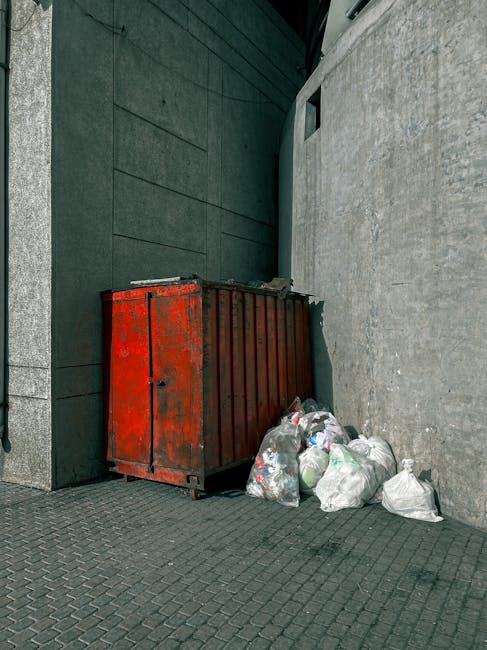
Why Insider tips avoid common rubbish removal mistakes in Hammersmith Matters
Rubbish removal is one of those jobs that seems straightforward until the details bite back. In Hammersmith, that can mean awkward access, parking restrictions, tight stairwells, mixed waste, or a collection that turns out to be bigger than expected. If you do not plan carefully, a job that should be tidy and quick can become frustratingly expensive.
The biggest issue is that people often treat rubbish removal like a one-size-fits-all service. It is not. A single sofa, a loft full of mixed household items, and a small office clearance all need different handling. Even "same-day" jobs can go sideways if you have not separated materials, checked access, or understood what the collection team is actually taking away.
There is also a trust factor. When a provider is vague about pricing, licensing, or disposal method, the risk sits with you. That is not dramatic talk; it is just how it works. You want a service that explains what is included, what needs to be sorted, and how the waste will be handled. That is why pages like the services overview and waste clearance in Hammersmith are worth checking when you are comparing options.
To be fair, most mistakes are avoidable. The problem is simply that people are usually in a hurry. A move-out deadline, a renovation, a house sale, or a loft that has been ignored for years can make anyone rush. And when you rush, you forget the obvious bits. The obvious bits are usually the expensive bits.
How Insider tips avoid common rubbish removal mistakes in Hammersmith Works
The "insider" part is really about preparation and clarity. Good rubbish removal is less about luck and more about understanding the workflow before the van arrives. Once you know how the job is likely to unfold, you can avoid the classic headaches.
Here is the usual pattern. First, you identify what needs removing. Then you assess whether it is general rubbish, furniture, appliances, garden waste, builders waste, or something more specialised. After that, you check access, volume, timing, and any items that require careful handling. Only then do you choose the right service and book the collection.
When people skip those steps, mistakes creep in. They assume all waste is "just waste", forget about bulky items, or leave sorting until the last minute. In a real home, that often means one pile of items becomes three different disposal categories. You may think it is all going in one load. Usually, it does not.
A more reliable approach is to break the task down by item type and risk. If you are clearing a flat, for instance, a few old wardrobes can be moved very differently from a bagged declutter, and a broken fridge is not the same thing as cardboard and soft plastic. If you are dealing with a bigger property, house clearance in Hammersmith or office clearance may be more appropriate than a basic collection.
One useful mental shift: do not book the collection first and think later. Think first. Book second. It sounds basic, almost annoyingly basic, but it saves a lot of trouble.
Key Benefits and Practical Advantages
A careful rubbish removal plan does more than stop mistakes. It gives you a cleaner result, a calmer schedule, and usually better value for money too. Small prep work can trim away the hidden friction that makes removal jobs feel messy.
- Fewer surprise charges: accurate descriptions reduce the chance of last-minute re-quotes.
- Faster collections: the crew can load efficiently when the waste is ready and separated.
- Better space planning: you know whether a van load, partial load, or full clearance is more sensible.
- Less stress on the day: no digging around for items, no uncertainty about access, and fewer delays.
- Cleaner compliance: using a responsible provider helps ensure waste is handled properly.
There is also a practical benefit people forget: good planning protects your home or building. Narrow hallways, communal areas, and staircases can take a knock if bulky items are moved badly. If you want a bit more reassurance on that side of things, the site's insurance and safety information is worth a look.
And yes, recycling matters. Many people in Hammersmith want to dispose responsibly without making a song and dance about it. If that is you, a service that talks plainly about sorting and reuse is often the better fit than the cheapest option on the page. The difference is not glamorous. It is just sensible.
Who This Is For and When It Makes Sense
This advice is useful for almost anyone dealing with waste in Hammersmith, but some situations benefit more than others.
You will probably find it especially helpful if you are:
- moving house or preparing a property for sale
- clearing a loft, basement, garage, or storage room
- disposing of old furniture or white goods
- renovating and generating builders waste
- tidying a garden after landscaping work
- emptying a home after a tenancy ends
- managing an office move or business clear-out
For example, if you are sorting out an upstairs room full of old books, broken frames, and half-finished DIY bits, a general junk collection might be enough. But if the same room contains heavy furniture and access is tight, you may be better off looking at a more targeted service such as furniture removal or waste disposal.
And if you are doing a bigger clear-out, the scale matters. People often underestimate this. A tidy-looking room can hide a lot of volume once you start moving bags and boxes. Then, at 7:30 in the morning, you realise it is not a small job at all. A bit annoying, yes. But easy enough to avoid if you estimate properly.
Step-by-Step Guidance
If you want to avoid the common rubbish removal mistakes in Hammersmith, work through the job in this order.
- List everything you want removed. Do not just guess. Write it down by room if needed.
- Sort items into categories. Keep furniture, appliances, garden waste, general rubbish, and builders debris separate where possible.
- Check for special handling items. Large appliances, awkward furniture, and heavy waste need more thought.
- Measure access. Look at stairs, lifts, parking, entry points, and any restrictions around the property.
- Choose the right type of service. A small collection is not the same as a loft clearance or office clearance.
- Ask for a clear quote. Make sure the scope matches the job description.
- Prepare the waste before collection. Put bags together, keep pathways clear, and remove anything you are keeping.
- Confirm the plan on the day. A quick check before the team arrives avoids awkward surprises.
That order sounds dull, but dull is often what you want here. Dull means smooth. Smooth means no missed items, no confused pricing, and no one standing in the doorway saying, "I thought that was included."
For lofts in particular, it is smart to avoid the last-minute scramble. Loft spaces often contain fragile, dusty, or forgotten items, and they can be surprisingly awkward to manoeuvre. If that is your situation, loft clearance in Hammersmith may be the safer, cleaner route.
Expert Tips for Better Results
Here is where a few practical insider habits make a big difference.
Be precise about the waste type
Do not describe everything as "junk". It is not very helpful, and it can lead to the wrong vehicle or the wrong quote. Say whether you have furniture, mixed rubbish, appliances, garden cuttings, or builders waste. The more specific you are, the easier it is to match the right service.
Separate what can be reused or recycled
If a chair is still usable or cardboard is clean and dry, keep it apart. This can make sorting easier and may support more responsible disposal. The broader idea is simple: better sorting at the start often means better outcomes at the end. If sustainability matters to you, recycling and sustainability guidance is a useful companion topic.
Leave a clear path
It sounds obvious, but cluttered hallways are a classic source of delays and minor damage. Remove rugs, secure pets, and shift fragile items out of the route. I have seen people forget a hallway mirror until the last minute. Not ideal. A five-minute walk-through solves that.
Watch the timing
If your collection is booked around a move, estate agent visit, or renovation deadline, build in a buffer. London traffic happens. Building access can be a faff. Someone may be working from home and block an entrance. Give yourself breathing space.
Read the service scope carefully
Some services cover one category very neatly, while others are broader. If you need mixed waste removed, make sure the provider knows that before they arrive. A good example is comparing general rubbish collection with a more specialised collection like rubbish collection in Hammersmith or a targeted category page such as white goods and appliance disposal.
One tiny but useful habit: take a photo of the pile before you book. You do not need to make it beautiful. Just honest. That one photo can help avoid miscommunication later. And if you are juggling three other tasks, honest photos are surprisingly calming.

Common Mistakes to Avoid
This is the bit most people search for after something has already gone a bit wrong. Here are the mistakes that show up again and again in Hammersmith jobs.
- Underestimating volume: a pile that looks small from one angle can be much bigger once lifted and sorted.
- Mixing waste types without telling anyone: furniture, appliances, and building rubble are not always treated the same way.
- Booking before checking access: if a van cannot park close enough, everything takes longer.
- Ignoring heavy or awkward items: wardrobes, mattresses, and broken appliances can need extra handling.
- Choosing purely on price: the cheapest quote can turn into the most expensive experience if it is vague or incomplete.
- Leaving it all for collection day: sorting under pressure is when mistakes happen.
- Forgetting business or tenancy needs: offices, rentals, and shared buildings often have extra expectations.
A good example is a "cheap" collection that seems fine until the provider starts adding costs for stairs, access, item type, or waiting time. There is a reason people end up searching for how hidden fees work on cheap rubbish collection. The headline price is not always the real price. Funny how that happens.
Another mistake is overlooking specialist waste. Garden clippings left with general rubbish, or builders debris left in a household pile, can create avoidable confusion. If you are mid-project, builders waste disposal is usually the more appropriate route. For sheds, lawns, and post-trim clear-ups, garden waste removal can be the neater fit.
Tools, Resources and Recommendations
You do not need a van full of equipment to prepare well. In most cases, a few simple tools and a clear plan are enough.
- A tape measure: useful for checking bulky items and access points.
- Heavy-duty bags or boxes: helps keep small items contained.
- Labels or marker pens: handy for sorting what stays and what goes.
- Gloves: especially for dusty lofts, garden waste, or old storage rooms.
- Phone camera: take photos for quoting and planning.
- Basic cleaning supplies: a quick sweep or wipe can make the area safer and easier to load.
For larger or more complex jobs, it is also worth reading through the provider's support pages before you book. The pricing and quotes page can help you think more clearly about what should be included. If you are concerned about payment confidence or card handling, payment and security is another practical stop.
And if you are preparing a clearance that overlaps with a move, sale, or rental changeover, the local articles on property transactions in Hammersmith and living in Hammersmith can give useful context. Different type of reading, yes, but still helpful when you are managing a busy property timeline.
Law, Compliance, Standards, or Best Practice
Waste removal is not just about speed. It also has a compliance side, and that is where being careful really pays off. In the UK, householders and businesses should be cautious about who handles their waste and how it is disposed of. You do not need to become an expert, but you do need to ask the right questions.
Best practice usually means:
- using a properly registered waste carrier where required
- making sure waste is transported and handled responsibly
- keeping a record of what was removed if the job is business-related
- checking that specialist items are dealt with in line with accepted practice
- avoiding fly-tipping risks by choosing a provider carefully
If you are unsure whether a provider is operating properly, start with their waste carrier licence and compliance information. It is a simple check, but a useful one. In our experience, the people who skip this step are usually the same people who regret it later. Not always, but enough to matter.
For businesses, there is a little more to think about. Office clearances, commercial waste, and recurring collections can involve internal record-keeping, access arrangements, and operational timing. If that sounds like your situation, commercial waste removal in Hammersmith and office clearance are more relevant than a one-off household collection.
Also, if any job involves narrow access, lifting, or fragile property features, do not ignore safety. A responsible provider should be able to explain how they manage the work, and the general approach should feel measured rather than rushed. That is exactly the sort of thing you want when people are carrying heavy items down a staircase at 8am.
Options, Methods, or Comparison Table
Different rubbish removal methods suit different situations. Choosing well is half the battle.
| Method | Best for | Typical strengths | Watch out for |
|---|---|---|---|
| General rubbish collection | Bagged waste, mixed household clutter, small clear-outs | Flexible and straightforward | Can be less suitable for heavy or specialist items |
| Furniture removal | Sofas, wardrobes, tables, beds, bulky items | Good for awkward large pieces | Access and lifting need checking in advance |
| Loft or house clearance | Full-room, multi-room, or property-wide clear-outs | Better for bigger jobs with varied items | Needs accurate scope and time planning |
| Builders waste disposal | Renovation debris, rubble, offcuts, construction waste | More appropriate for project sites | Mixing with household waste can complicate things |
| Garden waste removal | Cuttings, soil, hedge trimmings, seasonal tidying | Simple for outdoor clear-ups | Wet or heavy green waste can be more cumbersome than it looks |
If you are stuck between options, ask yourself a plain question: what is actually dominating the pile? If the answer is "mostly sofas," that is different from "mostly boxes and bags." If it is "a bit of everything," then a broader waste clearance approach may be the most sensible.
Case Study or Real-World Example
A typical Hammersmith example goes like this. A couple clears their flat before a move and assumes they only need a small rubbish collection. They have a wardrobe, some old shelves, a stack of bags, a broken lamp, and a few items from the spare room. On the day, they also realise the lift is out of service and the best parking spot is not available.
Without preparation, that job becomes slower and more expensive. With a little planning, it would have gone very differently. They could have separated the bulky furniture, checked access, photographed the pile, and booked the right type of service from the start. In that scenario, the team arrives with the right expectations, the loading plan is clearer, and nobody is trying to make decisions in the hallway while holding a mattress. Which, frankly, is not how anyone wants to spend their afternoon.
The same pattern shows up with lofts. People open the hatch, see a mountain of boxes, and think it is all "just storage". Then they find fragile items, mixed rubbish, and awkward gaps around old beams. A more careful route, such as using a dedicated loft clearance service, is usually the calmer decision.
That is the real lesson here: a little up-front honesty about the job saves a lot of stress later.
Practical Checklist
Use this before you book or before the crew arrives.
- Have I listed every item that needs to go?
- Have I separated furniture, appliances, garden waste, and builders debris?
- Do I know which items are heavy, awkward, or fragile?
- Have I checked stairs, lift access, parking, and entrance width?
- Have I compared the service type to the actual waste I have?
- Have I asked for a clear quote with no vague assumptions?
- Have I moved anything I want to keep out of the collection area?
- Do I understand any safety or compliance considerations?
- Have I taken a quick photo in case I need to confirm the scope?
- Is my chosen service suitable for the scale of the job?
If you can tick most of those off, you are already ahead of the curve. Honestly, that is where most people should aim to be. Not perfect. Just prepared.
Conclusion
Insider tips avoid common rubbish removal mistakes in Hammersmith because they make the job clearer before anyone lifts a bag. And clarity is the real money-saver. When you know what needs removing, how it should be handled, and which service matches the waste, you avoid the most common traps: poor quotes, awkward delays, access problems, and unnecessary stress.
The best approach is simple. Sort first, measure access, choose the right service, and ask direct questions. If the provider is transparent and the plan feels sensible, you are on the right track. If it feels vague, rushed, or oddly cheap, pause. That little pause can save you a headache.
And if you are preparing a one-off collection or a bigger clear-out, take the time to do it properly. You will feel the difference on the day. Less noise, less fuss, more done. Which, after all, is the whole point.
Get a free quote today and see how much you can save.